


Commercial Plumbing Maintenance for Property Managers

Table of Contents
Why Commercial Plumbing Maintenance Matters for Property Managers
Commercial Plumbing Maintenance Checklist: What to Inspect
How to Build a Commercial Plumbing Preventive Maintenance Plan
Setting a Commercial Plumbing Inspection Schedule by Building Type
Leak Detection, Water Heaters, Boilers, and Backflow Prevention
Commercial Plumbing Emergency Response Plan and Tenant Coordination
Budgeting, Documentation, and KPIs for Commercial Plumbing Maintenance
Frequently Asked Questions
Last Updated: October 14, 2026
Why Commercial Plumbing Maintenance Matters for Property Managers
A burst supply line at 2 a.m. costs more than a repair bill, it costs tenant trust, unit availability, and your reputation.
Commercial plumbing maintenance is the scheduled inspection, testing, cleaning, and repair of the water supply, drainage, and hot water systems serving a commercial property. It covers everything from pipe condition and fixture performance to backflow testing and grease trap service.
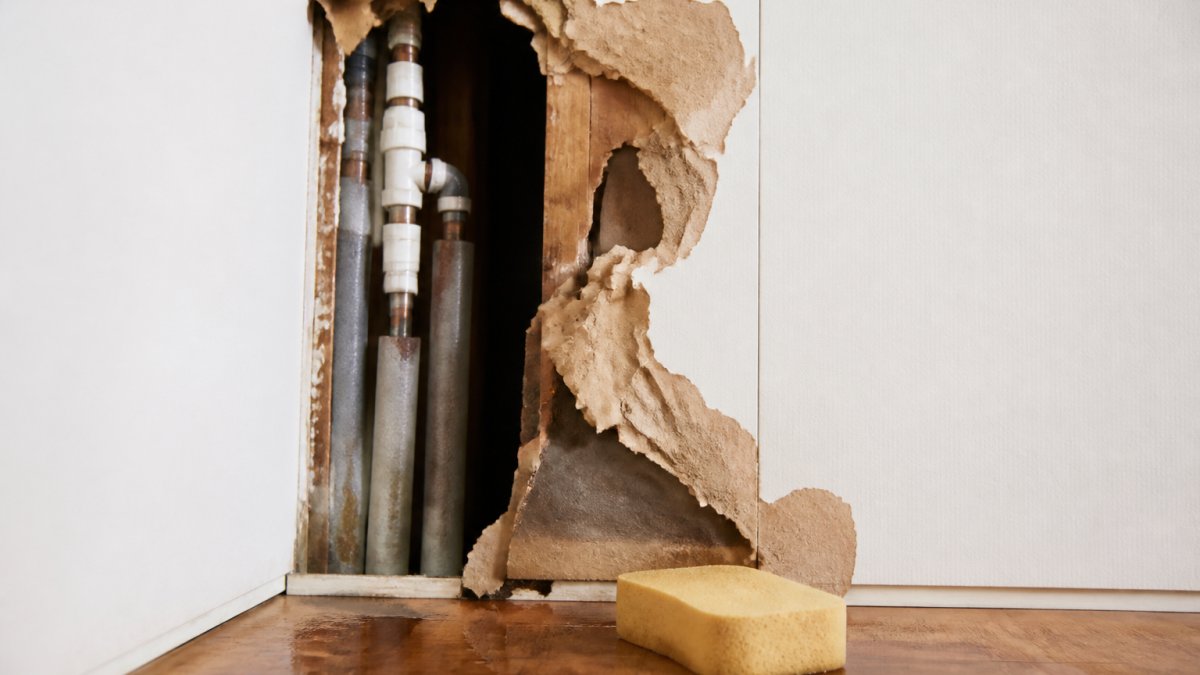
The stakes are concrete. A failed water heater in a 40-unit building displaces tenants for days. A neglected grease trap shuts down a restaurant kitchen mid-service. A slow leak behind a wall can rot framing for months. Below, we break down what to inspect, how often, and how to build a plan your ownership group will fund.
Key Takeaway The goal of commercial plumbing maintenance is not fewer repairs. It is fewer surprises. A documented schedule converts unpredictable emergencies into planned, budgetable work.
Commercial Plumbing Maintenance Checklist: What to Inspect
A commercial plumbing maintenance checklist organizes inspections by system so nothing gets skipped.
Pipes, Fixtures, and Valves
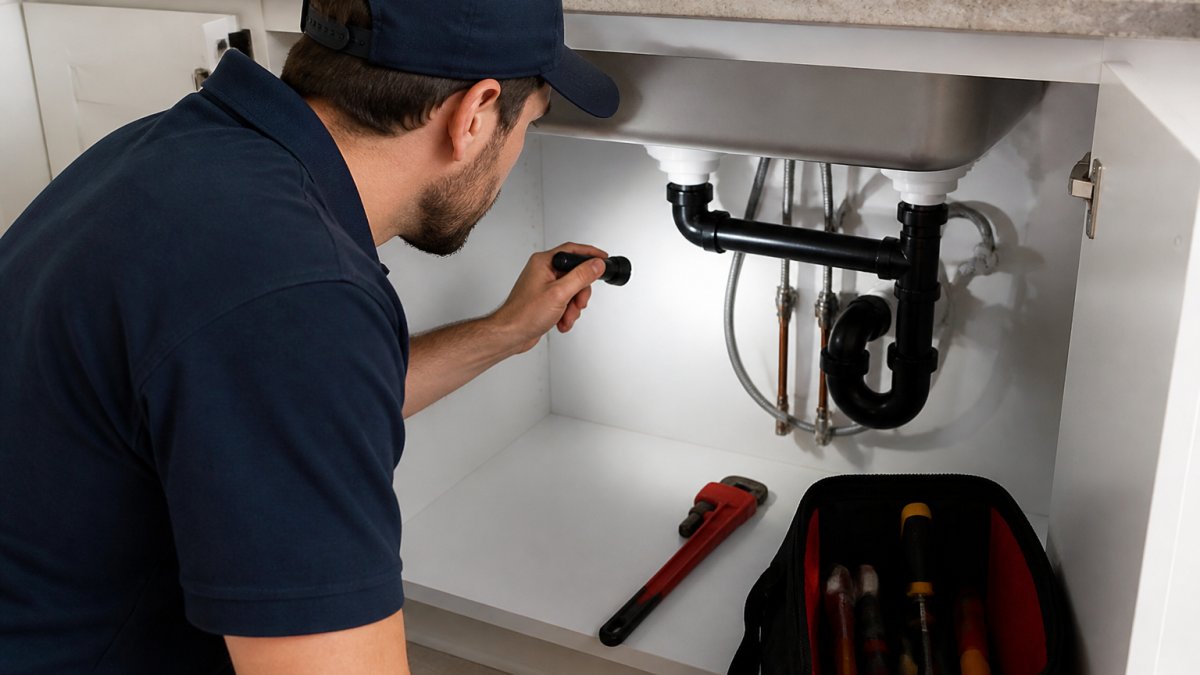
Start with the supply side. Inspect exposed pipes for corrosion, discoloration, and mineral buildup, especially at joints and near water heaters. Check every fixture for leaks, running toilets, and reduced flow. Test shutoff valves at each fixture and riser; a valve that will not close during an emergency is worse than no valve at all. Verify water pressure at multiple points.
Drains, Sewer Lines, and Grease Traps
Drainage fails slowly, then all at once. Inspect floor drains and drain lines for slow drainage and odor, and camera sewer lines annually or when recurring clogs appear. For food service properties, grease traps need scheduled pumping; a full trap sends grease into the sewer line, where it hardens into a blockage requiring excavation.
System | What to Check | Typical Frequency |
Pipes and valves | Corrosion, leaks, valve operation | Quarterly |
Fixtures | Leaks, flow rate, running toilets | Quarterly |
Drain and sewer lines | Slow drainage, camera inspection | Annually |
Grease traps | Fill level, pumping schedule | Monthly to quarterly |
Water heaters and boilers | Temperature, pressure relief, sediment | Annually |
Backflow preventers | Certification testing | Annually |
Watch Out Skipping backflow testing is one of the most expensive shortcuts a property manager can take. Many municipalities require annual certification, and a failed test can trigger fines or a mandatory water shutoff until the device is repaired.
How to Build a Commercial Plumbing Preventive Maintenance Plan
A commercial plumbing preventive maintenance plan is a written schedule assigning every inspection, test, and service to a system, frequency, and responsible party. Without it, maintenance happens reactively.
Here is how we would build one:
Inventory every system. List all water heaters, boilers, backflow preventers, grease traps, risers, and shutoff valves with their locations and ages.
Assign a frequency to each item. Use manufacturer guidance, local code, and how hard the system works.
Set a budget line. Maintenance is cheaper than emergency repair, and ownership needs to see the numbers side by side.
Choose a service provider before you need one. Establishing a relationship with a licensed commercial plumber means you get scheduled service, not emergency rates.
Log every visit. Work orders, photos, and test results create a paper trail that protects you during inspections and insurance claims.
Review quarterly. Adjust frequencies based on what the logs actually show.
At True Value Plumbing, we handle both scheduled commercial maintenance and emergency calls, so property managers are not juggling three vendors for one building. We document every visit so you have a record of what was checked, found, and recommended.
Setting a Commercial Plumbing Inspection Schedule by Building Type
A commercial plumbing inspection schedule should match the building, not a generic calendar.

Offices and Professional Buildings
Offices are low-intensity on drainage but steady on fixtures. Schedule quarterly fixture and valve inspections, semi-annual water pressure checks at the top and bottom floors, and annual drain line cleaning on restroom branches.
Multifamily Properties
Multifamily combines high fixture use with tenant turnover, and turnover is when hidden problems surface. Inspect each unit's fixtures, supply lines, and shutoff valves at move-out.
Restaurants and Food Service
Food service is the most demanding category.
Retail, Warehouses, and Light Industrial
These properties often have low fixture counts but large roof drainage and irrigation systems.
Mixed-Use Properties
Mixed-use buildings combine residential and commercial demand on shared risers, so a restaurant clog can back up into upstairs apartments.
A Simple Rule for Setting Frequency
Start with the manufacturer's interval, then shorten it based on three factors: how many people use the system, how corrosive or greasy the waste stream is, and how expensive a failure would be.
Pro Tip Track water meter readings when the building is empty overnight. A meter that keeps spinning with no tenants using water usually means a hidden leak, and catching it early is far cheaper than repairing water damage.
Building Type | Fixtures and Valves | Drain and Sewer Lines | Water Heaters | Backflow Preventers |
Office | Quarterly | Annually | Annually | Per water authority |
Multifamily | Quarterly plus at turnover | Annually (main), quarterly (shared) | Annually | Per water authority |
Restaurant | Monthly | Quarterly jetting, annual camera | Semi-annually | Per water authority |
Retail / Warehouse | Quarterly | Annually plus pre-rainy-season roof drains | Annually | Annually (irrigation) |
Mixed-use | Quarterly | Quarterly (shared main) | Annually | Per water authority |
Leak Detection, Water Heaters, Boilers, and Backflow Prevention
Leak detection and hot water system maintenance are where most maintenance budgets get saved or blown, since small leaks and aging water heaters drive a large share of emergency calls.
For leak detection, monitor water pressure and meter readings, inspect visible piping during every walkthrough, and consider sensors in mechanical rooms and below high-risk fixtures. For water heaters and boilers, flush sediment annually, test the temperature and pressure relief valve, and check the anode rod. For backflow prevention, schedule annual testing with a certified tester and keep the certification on file; confirm your local interval with your water authority.
Commercial Plumbing Emergency Response Plan and Tenant Coordination
A commercial plumbing emergency response plan tells staff and tenants exactly what to do when water is where it should not be.
The Four-Phase Response Workflow
Stop the source. Shut off the nearest isolation valve, then the building main if needed. Post a laminated valve map in the mechanical room, management office, and staff break room, and label every valve with a durable tag matching the map.
Contain and protect. Move or cover tenant property, kill power to affected areas if water is near electrical equipment, and place containment berms or absorbent socks if you keep them on site. Do not run vacuums near standing water until power is confirmed off.
Notify and dispatch. Call your plumbing provider's emergency line, then notify affected tenants with a short, factual message: what happened, what is shut off, what they should do, and when they will hear an update. Avoid speculation about cause or timeline.
Document in real time. Photograph and timestamp the scene before cleanup begins, and note the time of shutoff, the call, and the plumber's arrival. This record supports insurance claims and shows ownership you managed the incident, not just reacted to it.
Tenant Communication and Access Coordination
Access is where most emergency responses lose time. A plumber waiting at midnight for a key wastes the response window, and waking a tenant to enter a unit adds delay and friction.
Keep a current after-hours contact list with mobile numbers, not just unit numbers, and update it at every lease renewal.
Maintain master keys or access codes for common areas and mechanical rooms, and confirm they work quarterly.
For unit access, use a standard notice template stating the reason for entry, the expected window, and a callback number. Many jurisdictions require advance notice for non-emergency entry, but genuine emergencies typically allow immediate access, confirm your local rules with counsel.
Designate one staff member as the tenant liaison during an incident so tenants get consistent information from one voice.
Service Interruption Playbook
Different emergencies call for different tenant messages.
Preparedness Items Worth Keeping On Hand
A small stock of supplies shortens the gap between incident and plumber arrival: shutoff valve tags, absorbent socks or booms, plastic sheeting, a water-rated wet/dry vacuum, flashlights, and a printed valve map.
Watch Out Do not let tenants attempt their own repairs during an emergency. A tenant who overtightens a valve or removes a trap can turn a contained leak into a flood and complicate your insurance claim.
After the Incident
Within 48 hours, hold a short debrief: what failed, how fast you responded, what slowed you down, and what to change.
Key Takeaway The best emergency plan is the one your staff can execute without looking anything up. If your team cannot find the shutoff valve map in under 30 seconds, the plan is not finished.
Budgeting, Documentation, and KPIs for Commercial Plumbing Maintenance
Documentation turns maintenance from a cost center into a managed asset. Every work order, inspection report, and repair invoice should feed a simple tracking system.
Track a few key metrics: emergency calls per quarter, average response time, repair cost versus planned maintenance cost, and equipment age against expected lifespan. If emergency calls climb while scheduled maintenance stays flat, your frequencies are too low. If repair costs outpace planned work, you are deferring maintenance and paying interest later.
Key Takeaway The single most useful KPI is the ratio of emergency repairs to planned maintenance. When that ratio rises, your schedule is failing, not your plumber.
Commercial plumbing maintenance only works when someone actually does the work on schedule, documents it, and answers the phone when something fails anyway. We also offer a 10% discount for military personnel and senior citizens. Book online with True Value Plumbing and turn your plumbing system into a long-term asset instead of a recurring emergency.
Frequently Asked Questions
How often should commercial plumbing systems be inspected?
Most commercial buildings need a full system inspection once a year, but high-use properties like restaurants and hotels benefit from quarterly or even monthly checks. The right commercial plumbing inspection schedule depends on building type, occupancy, and how hard the system works. A 40-unit apartment building has different demands than a 200-seat restaurant. Pair annual inspections with monthly walk-throughs where staff check for leaks, drips, and slow drains before they become service calls.
What should a commercial plumbing maintenance checklist include?
A working commercial plumbing maintenance checklist covers pipes, fixtures, valves, water pressure, water heaters, boilers, drain lines, sewer lines, grease traps, and backflow prevention devices. Each item gets a pass/fail or condition rating, plus notes on anything that needs follow-up. Include date, inspector name, and photos where relevant. This record becomes your paper trail for code compliance and helps you spot recurring problems before they turn into water damage or operational disruption.
How can property managers prevent plumbing emergencies?
Prevention starts with a commercial plumbing preventive maintenance plan: scheduled inspections, drain cleaning, leak detection, and backflow testing done on a fixed calendar. Train tenants to report slow drains and dripping fixtures early, since small leaks and drips often signal bigger pipe condition problems. Keep a list of shut-off valve locations posted in every mechanical room. When you respond to small issues fast, you avoid the 2 a.m. emergency plumbing call that disrupts the whole building.
What plumbing issues are most common in commercial buildings?
Clogged drains and grease buildup top the list, especially in food service. Next are leaking or dripping fixtures, worn valves, failing water heaters, and low water pressure from scale or partial blockages. Backflow incidents and sewer line backups are less frequent but cause the most damage. Because these issues repeat across commercial buildings, a maintenance plan built around drain cleaning, valve checks, and water heater service catches most of them before they escalate.
When should a property manager call a commercial plumber?
Call a commercial plumber when you see water where it shouldn't be, smell sewer gas, notice a sudden drop in water pressure, or find a water heater or boiler not holding temperature. Also call if a drain backs up more than once in the same line, since repeat clogs point to a deeper pipe condition issue. For suspected gas leaks or major flooding, shut off the supply and call for emergency plumbing service immediately rather than waiting for a scheduled visit.
What is the 135 rule for plumbing?
The 135 rule is a general sizing guideline used in some plumbing contexts, but it is not a universal standard and does not replace local code requirements. Property managers should not rely on rules of thumb for commercial system decisions. Instead, follow the manufacturer specifications and the plumbing code that applies to your building. A licensed commercial plumber can confirm what your system actually needs based on pipe size, fixture count, and water supply demands.
Book Online

Comments